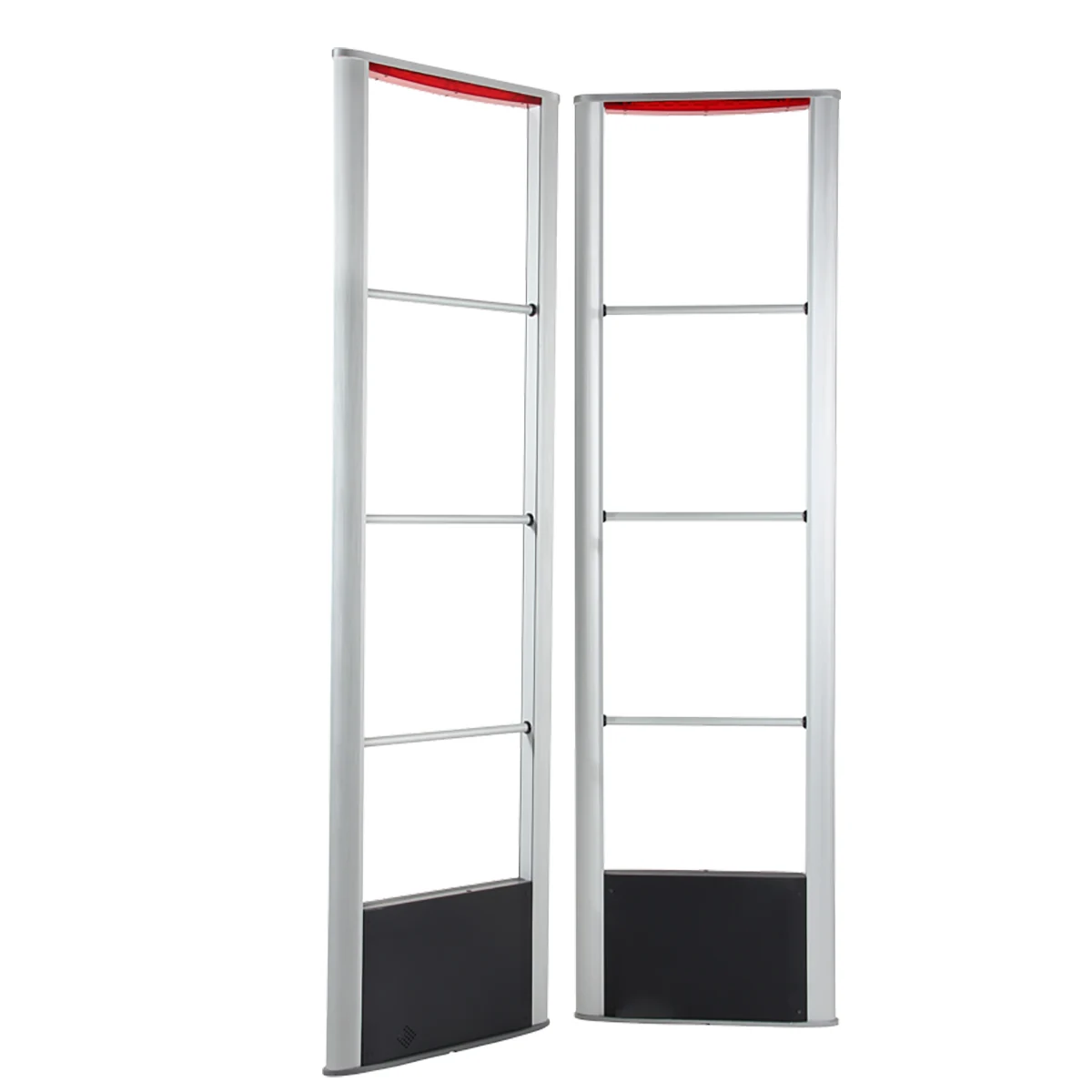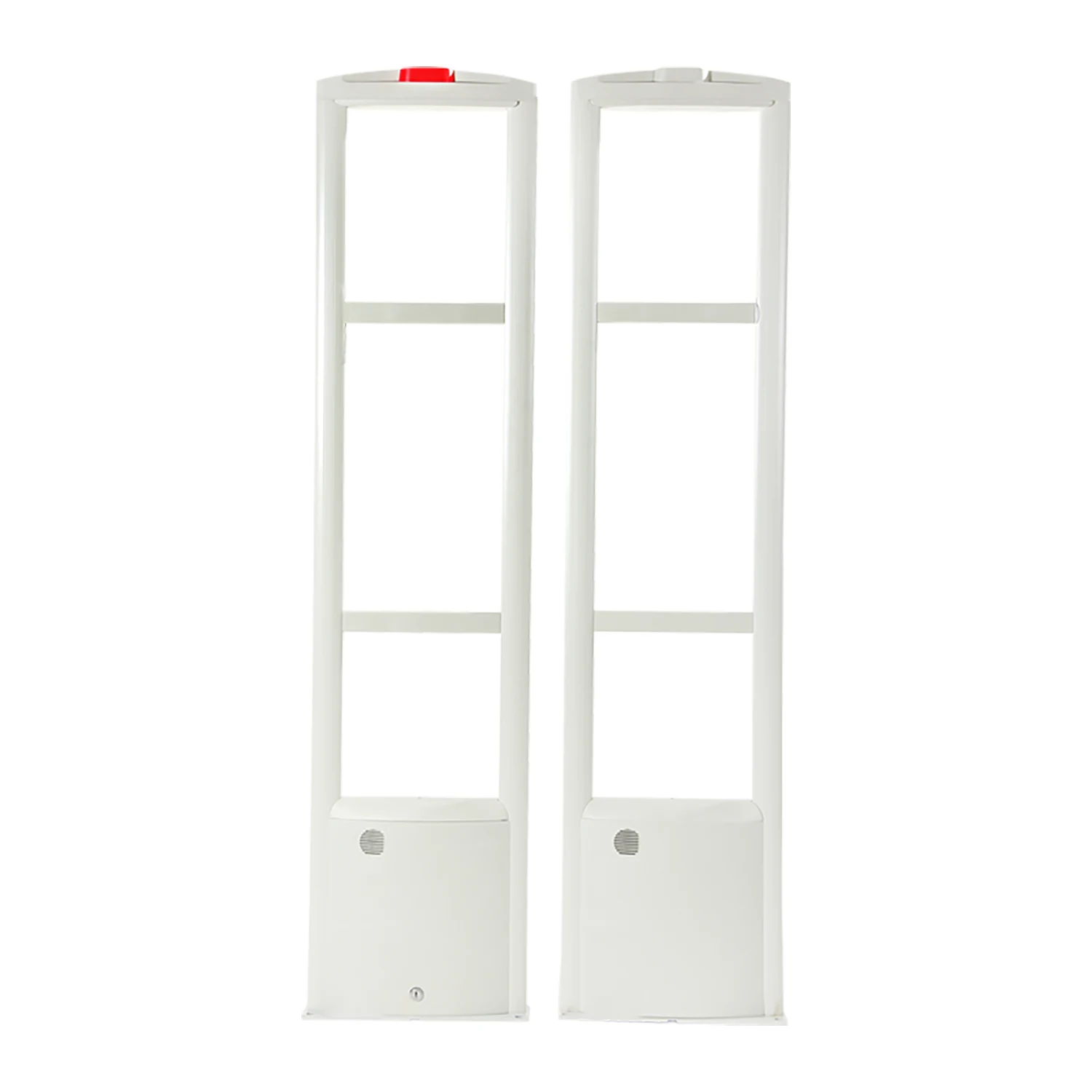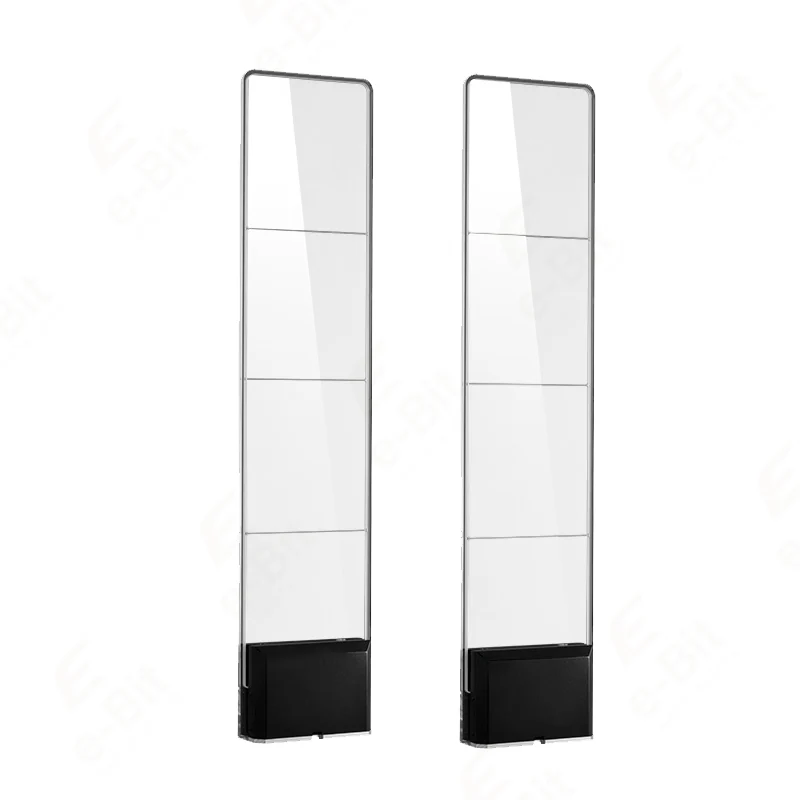
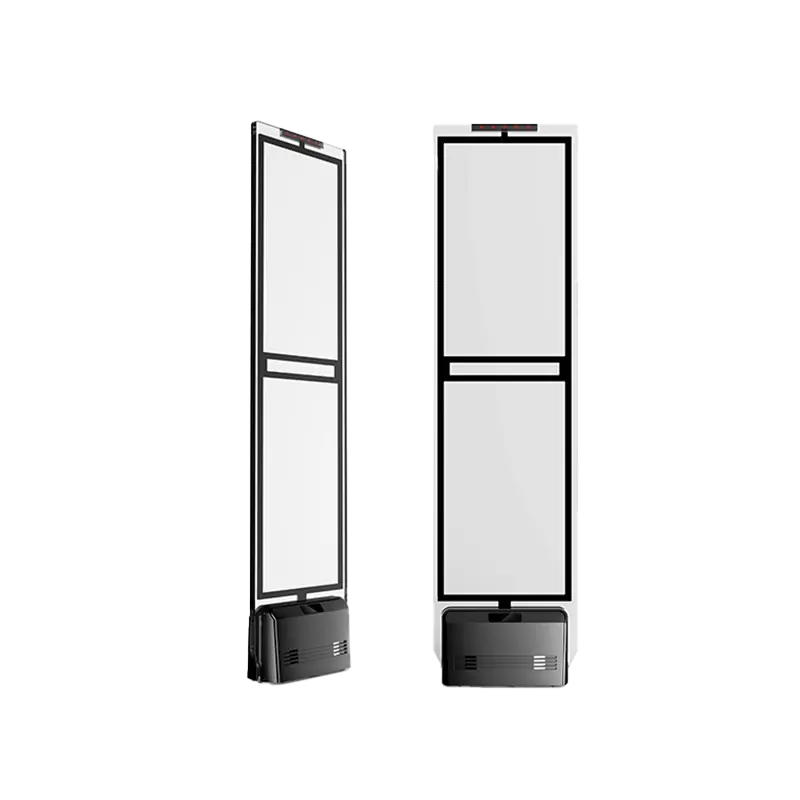
هوائيات الترددات اللاسلكية
RF antennas are an essential part of an 8.2MHz RF EAS security system, designed to detect active RF security tags at store entrances and exits. When a tagged product passes through the detection zone, the system triggers an audible and visual alarm to alert store staff. RF antennas work with RF soft labels and hard tags, providing a cost-effective and easy-to-install solution for protecting packaged and general retail merchandise. They are widely used in supermarkets, pharmacies, stationery stores, cosmetics shops, clothing stores, and other retail environments.

Why Choose RF Antennas?
-
Cost-Effective Retail Security
RF EAS technology provides an economical solution for retailers looking to protect a large volume of merchandise while controlling security costs.
-
Ideal for Packaged Products
Many retail products are sold in boxes, bags, or other packaging. RF soft labels can be discreetly attached to these products and detected by RF antennas at the store exit.
-
Reliable Detection
RF antennas create a detection zone at store entrances and exits to identify active RF security tags and alert staff when tagged merchandise passes through.
-
Easy Installation & Operation
RF antennas are designed for straightforward installation and daily operation, making them suitable for a wide range of retail stores.
-
Compatible with RF Tags
RF antennas can work with compatible 8.2MHz RF soft labels and hard tags, allowing retailers to choose the appropriate tag according to their merchandise.
-
Flexible Store Applications
RF EAS systems can be used across different retail environments, especially stores with large quantities of packaged and relatively low-to-medium-value merchandise.
RF Antennas Models
Recommended Applications

محلات السوبر ماركت & محلات البقالة
محلات القرطاسية

محلات مستحضرات التجميل

Clothing Stores
الصيدليات
Frequently Asked Questions
01What frequency do RF antennas use?
Most retail RF EAS systems operate at 8.2MHz. RF antennas are designed to detect compatible 8.2MHz RF security tags.
02How do RF antennas work?
RF antennas generate an electromagnetic detection field at the store entrance or exit. When an active RF security tag enters the detection zone, the antenna detects the tag signal and triggers an alarm.
03What tags are compatible with RF antennas?
RF antennas can work with compatible 8.2MHz RF soft labels and RF hard tags. The specific tag should match the frequency and system configuration.
04Are RF antennas suitable for supermarkets?
Yes. RF EAS is widely suitable for supermarkets and grocery stores, especially for packaged products that can be protected with RF soft labels.
05Can RF antennas detect soft labels?
Yes. Compatible active RF soft labels can be detected by RF antennas when they pass through the system's detection zone.
06What is the difference between RF antennas and AM antennas?
RF systems typically operate at 8.2MHz, while AM systems operate at 58kHz. RF is generally a more economical choice for retail environments with lower interference and packaged merchandise, while AM offers stronger anti-interference performance and is often selected for more demanding retail environments.
07How wide is the detection range of an RF antenna?
The actual detection distance depends on the antenna model, tag type, installation configuration, store environment, and surrounding interference. The recommended spacing should be determined through testing at the installation site.
08Can RF antennas be used with other security devices?
Yes. A complete RF EAS solution can include RF antennas, RF soft labels, RF hard tags, and RF deactivators, depending on the merchandise and store requirements.
09Do RF antennas need professional installation?
Basic installation is straightforward, but proper antenna spacing, alignment, power supply, and environmental conditions are important for achieving reliable detection performance. Professional installation or technical guidance is recommended for larger projects.
10Are RF antennas suitable for all stores?
Not necessarily. The appropriate EAS technology depends on merchandise type, store layout, environmental interference, required detection performance, والميزانية. JNEAS can recommend a suitable RF, أكون, or RFID solution based on the specific store requirements.